When I started our women’s jackets and coats supply business, I thought the biggest challenge would be sourcing stylish, durable pieces that fit different body types. What I didn’t expect was how many customers would reach out saying, “I love this coat, but will it work for my city’s climate?” It’s a question that trips up even the most seasoned shoppers—because a jacket that’s perfect for Chicago’s sub-zero winters is useless in Phoenix’s mild, windy winters, and vice versa. Over the past five years, I’ve worked with hundreds of designers, tested fabrics in extreme temperatures, and talked to thousands of women who’ve wasted money on coats that didn’t fit their local weather. Today, I’m breaking down exactly how to choose a women’s jacket or coat based on climate, so you never make that mistake again. Women’s Jackets and Coats
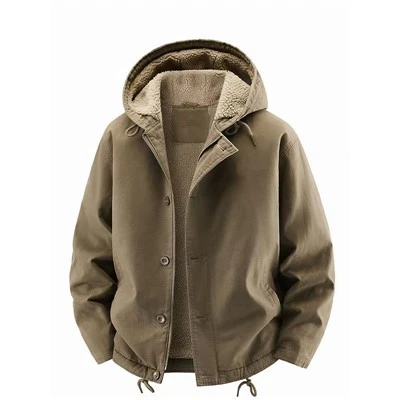
First, let’s talk about the core of climate-appropriate outerwear: insulation. This isn’t just about piling on layers—different insulations work for different temperatures, and knowing the difference will save you from overheating in spring or freezing in mid-winter. Natural insulation like down is still the gold standard for cold climates, but not all down is equal. High-fill-power down (600+ fill power) is lightweight, packs small, and traps air efficiently to retain heat, making it ideal for areas where temperatures drop below 20°F (-6°C). The key here is to look for down that’s ethically sourced (no live-plucking, which is a common issue in low-quality coats) and has a water-resistant shell, because even a light snow shower can clump untreated down and kill its insulating ability. But wait—down isn’t for everyone. If you’re allergic or prefer animal-free options, synthetic insulation like PrimaLoft is a great alternative. Synthetic stays warm even when wet, which makes it perfect for coastal areas where rain and snow are frequent, or places with high humidity that can make down feel clammy. The catch is that synthetic is bulkier than down, so if you’re in a climate where space isn’t an issue (like the Northeast U.S.), it’s a solid pick.
Now, let’s move beyond insulation and talk about temperature zones, because choosing a coat isn’t one-size-fits-all based on “cold” or “warm.” Let’s start with the coldest climates: those with temperatures below 20°F (-6°C) for extended periods, like northern Canada, Alaska, or parts of Minnesota. For these areas, you need an arctic-grade coat. This isn’t just a puffer—it’s a coat with a high-fill-power down (800+ fill power), a shell that’s both windproof and waterproof (look for Gore-Tex or similar membrane fabrics), and features like a drawstring hood to block wind, reinforced cuffs that fit over gloves, and even a powder skirt to stop snow from getting up your back. I’ve seen too many women in Alaska buy a regular puffer from a department store and end up with frozen hands mid-commute. At our supply business, we’ve tested our arctic-grade coats in Fairbanks, and they keep temperatures consistent even when it’s -30°F (-34°C), as long as you layer underneath appropriately.
Next, moderate cold climates: temperatures between 20°F (-6°C) and 50°F (10°C), like most of the U.S. Pacific Northwest, the UK, or parts of Germany. Here, you don’t need a bulky arctic coat, but you do need a coat that balances warmth and breathability. A mid-weight puffer or a wool-blend coat works here, but pay attention to the fit. Wool is great for moderate climates because it’s naturally moisture-wicking and odor-resistant—you can wear a wool coat for a week without it smelling, which is a huge plus for busy commuters. The downside of pure wool is that it’s not waterproof, so if you live in a place with frequent rain, look for a wool blend with a water-repellent finish. Alternatively, a quilted jacket with 500-600 fill power down is versatile enough to wear to work, run errands, and go out for dinner, without feeling too heavy. I always recommend our customers in moderate climates avoid coats that are too long—they can drag in rain or slush, and make you feel restricted when walking or taking public transit.
Then there’s cool, mild climates: temperatures between 40°F (4°C) and 65°F (18°C), like California’s Bay Area, southern France, or parts of Australia. This is the trickiest climate to shop for, because one day it’s sunny and you don’t need a jacket, and the next it’s windy and cold enough for layers. The best bet here is a transitional jacket—something lightweight, versatile, and easy to layer. Denim jackets are a classic, but make sure they’re made with a thick, high-quality denim (light denim won’t provide enough warmth) and have a interior lining that’s soft, like a fleece or a thin quilt. Alternatively, a trench coat is perfect for this climate—it’s stylish, has a lightweight cotton or polyester shell that repels light rain, and can be worn open or closed, depending on the temperature. I’ve had customers in Portland, Oregon, swear by their transitional jackets because they can throw one on over a t-shirt in the morning and add a scarf or a light sweater if the temperature drops in the evening. Just skip the heavy coats here—you’ll only wear them a handful of times a year, which is a waste of money.
Now, what about warmer climates? If you live in a place where winters stay above 60°F (15°C), like Miami, Singapore, or southern Brazil, you don’t need a heavy coat at all. Instead, you need a lightweight windbreaker or a cropped jacket that’s breathable and protects against UV rays. Look for jackets made with perforated fabrics or moisture-wicking polyester—these will keep you cool on sunny days and block light wind on cooler nights. A lot of women in warmer climates make the mistake of buying a puffer “for the rare cold day,” but those days usually only last a week or two, and you can easily layer a cardigan or a lightweight blazer for that short period. At our business, we’ve noticed a huge demand for UV-protective jackets in Southeast Asia, because women there want style that works for both work and beach days, without feeling bulky or hot.
Wait a second—climate isn’t just about temperature, right? Wind and precipitation play a huge role too. A 20°F (-6°C) day with 20 mph wind feels way colder than a 20°F day with no wind, because wind pulls heat away from your body faster. That’s why windproofing is non-negotiable for areas like the Great Plains in the U.S., or coastal areas with strong ocean winds. Look for coats with sealed seams (no gaps where wind can get in) and high collar designs that cover the neck. On the flip side, precipitation—rain, snow, sleet—changes everything. If you live in a place with heavy snowfall, like the Rocky Mountains, you need a coat that’s waterproof, not just water-resistant. Water-resistant fabrics will repel light rain, but if you’re standing in a blizzard, snow will seep through and leave you wet and cold. For rainy climates, like the Pacific Northwest or the UK, a waterproof trench coat or a rubberized anorak is ideal—they keep you dry, and they’re stylish enough to wear to work, not just for outdoor activities.
I also want to talk about fit and practicality, because even the most climate-perfect coat is useless if it doesn’t fit your lifestyle. Let’s say you live in a city where you walk to work every day—you need a coat that’s not too long (so it doesn’t get caught on door handles) and has deep pockets to hold your phone, keys, and wallet. If you live in a suburban area where you drive everywhere, a longer coat that covers your hips is fine, because you won’t be bending over as much. For active people—hiking, skiing, or just walking a lot—look for coats with adjustable cuffs and hoods, and a relaxed fit that lets you layer underneath. I’ve seen so many customers buy coats that are too tight, and they can’t fit a sweater or a base layer under them, which makes the coat useless in cold weather.
Let’s run through a quick example to make this concrete. Suppose you live in Chicago, where winters are usually around 10°F (-12°C) with heavy snow and wind. You need an arctic-grade coat with 800+ fill power down, a windproof waterproof shell, a drawstring hood, and reinforced cuffs. You’ll wear this with a base layer, a sweater, and boots, and it will keep you warm for your commute and weekend trips. If you live in Seattle, where winters are around 45°F (7°C) with constant rain, a waterproof wool-blend coat or a mid-weight synthetic puffer with sealed seams is perfect—you don’t need bulk, but you need to stay dry. If you live in Phoenix, where winters are around 65°F (18°C), a lightweight perforated windbreaker is all you need, and you can layer a turtleneck under it if the temperature drops at night.
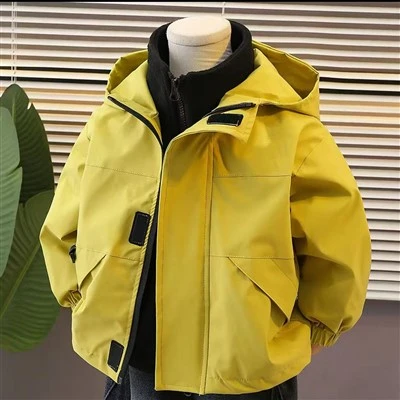
At our women’s jackets and coats supply business, we’ve spent years refining our collections to fit every climate, because we know how frustrating it is to buy a coat that doesn’t work for your life. We source fabrics directly from manufacturers, test every style in real weather conditions, and work with customers to find the right fit for their specific location and lifestyle. Whether you’re shopping for an arctic-grade parka, a transitional trench coat, or a lightweight sun jacket, we have options that balance style, function, and durability.
Men’s Jackets and Coats If you’re tired of wasting money on coats that don’t fit your local climate, or you’re a retailer looking for high-quality outerwear to stock for your customers, reach out to us to discuss your needs. We can help you pick the right pieces for any climate, offer bulk pricing, and provide detailed product specifications to ensure every coat meets your standards. Don’t settle for outerwear that only looks good—invest in coats that keep you comfortable, no matter what the weather brings.
References
- Outdoor Industry Association. (2022). Climate Guide to Technical Outerwear. Retrieved from industry research publications.
- Textile Institute. (2021). Insulation Performance in Cold Weather Apparel. Journal of Textile and Apparel, Technology and Management.
- American Society for Testing and Materials. (2020). Standard Test Methods for Water Resistance of Textile Fabrics. ASTM International.
- International Down and Feather Testing Laboratory. (2023). Fill Power Standards for Ethically Sourced Down. Industry testing guidelines.
- Centers for Disease Control and Prevention. (2022). Cold Weather Safety: Preventing Hypothermia and Frostbite. Public health guidelines for outdoor activity in cold climates.
Tengzhou Jufulong Garment Co., Ltd.
We are one of the most professional women’s jackets and coats manufacturers and suppliers in China, also support customized service. With abundant experience, we warmly welcome you to wholesale high quality women’s jackets and coats made in China here from our factory. Contact us for free sample.
Address: Zongzhuang Village, Jisuo Town, Tengzhou City, Zaozhuang City, Shandong Province (West of Jisuo Middle School)
E-mail: 17606320177@163.com
WebSite: https://www.jufulongwear.com/
