Hey everyone, I’m Jake, been working in the dyeing machine game for over a decade now, and let’s be real—nothing stresses new (and even some seasoned) fabric mill owners out more than dialing in dyeing machines for different fabric thicknesses. I’ve seen folks load a batch of super-thin silk charmeuse, crank the settings that worked for heavy canvas, and end up with a mess of streaks, stretched fabric, or even broken rolls. If that’s ever happened to you, stick around—this is the stuff I wish someone had sat me down and taught me when I first started selling dyeing machines. Dyeing Machine
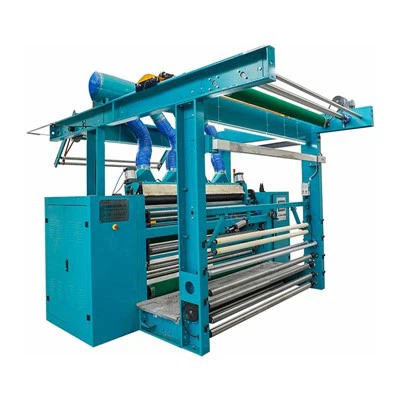
First off, let’s cut through the jargon and get one thing straight: fabric thickness isn’t just GSM (grams per square meter) like a lot of tech sheets make it sound. Yeah, GSM matters, but so does fiber type—fine polyester microfiber at 50 GSM is way different than a 50 GSM linen voile, right? But when you’re adjusting your dyeing machine, we’re talking about balancing three main things: liquor ratio, roller speed, tension, and maybe a tiny tweak to temp and dwell time. I’m not gonna feed you some textbook fluff—this is actual on-floor stuff I’ve helped mills fix hundreds of times.
Let’s start with the thin stuff first, because that’s where most people mess up. Thin fabrics—think chiffon, voile, or lightweight jersey under 150 GSM—are basically like tissue paper compared to denim or heavy twill. If you run a standard dyeing machine at full speed and full liquor load for thick fabric, two things will happen: either the fabric gets all twisted and stretched (goodbye, straight edges for cutting), or the liquor doesn’t penetrate evenly, leaving patchy spots. Wait, liquor ratio—for the newbies, that’s how much dye liquor you use relative to the fabric weight. For thin fabric, you want a higher liquor ratio, like 1:10 to 1:15. That means for every kilo of fabric, you use 10 to 15 liters of dye liquor. Why? Because thin fabric doesn’t have space to let liquor circulate inside it, so more liquid keeps the dye from getting concentrated in clumps. I remember a mill in Atlanta a year back was dying 80 GSM silk charmeuse and getting streaks every time—they were using 1:5, which is for heavy stuff. Switched to 1:12, and their rework rate dropped by 30% in a week. Game changer.
Next up, roller speed and tension. This is where a lot of people get lazy with their dyeing machine. For thin fabric, you want slower rollers and way less tension. Tension pulls the fabric tight as it moves through the machine, and if it’s too high on something super thin, it stretches out—like when you yank a sock too hard and it’s longer, thinner, weird. On our dyeing machines, we have a dial for roller linear speed—for thin stuff, I tell folks to set it to 5 to 8 meters per minute, instead of the default 12 they use for medium fabric. And tension? Don’t crank those guide rollers so tight the fabric digs into itself. Leave enough slack that the fabric just glides through the liquor without bunching. Wait, one trick I learned: if you’re working with super sheer fabric, add a tiny bit of wetting agent (not too much—just 0.5 to 1% of the fabric weight) to the dye bath. It helps the liquor spread evenly without making the fabric slippery. Oh, and avoid high temp for thin synthetics, right? Thin polyester melts easier, so keep temp around 110°C instead of the 130°C you’d use for thick polyester canvas. Dwell time too—thin fabric doesn’t need as long to absorb dye, so cut that from 45 minutes to 25 to 30. That saves time, too.
Now for the medium thickness stuff—this is the sweet spot, usually 150 to 400 GSM, like regular jersey, poplin, or twill. A lot of mills just leave their dyeing machine settings on medium and call it a day, but even here, small tweaks make a huge difference. Liquor ratio for medium is 1:6 to 1:8. You don’t need as much liquor because the fabric has enough bulk to let it circulate through the fibers. Roller speed can go up to 9 to 11 meters per minute—still not the max, because you want the fabric to get enough time in the liquor. Tension here is a middle ground—tight enough so the fabric doesn’t sag or wrinkle, but not so tight it stretches. I’ve seen guys set tension for medium fabric like it’s heavy, and end up with the fabric shrinking unevenly later. Pro tip: run a test strip first. Cut a 1-meter piece of your medium fabric, run it through the dyeing machine on your tentative settings, check for stretching or streaks, then adjust before you do a full batch. This saves you from wasting 50 kilos of fabric, which adds up fast.
Then we hit the heavy stuff—anything over 400 GSM, like denim, heavy canvas, or thick wool blankets. This is where most people under-adjust, not over-adjust. Heavy fabric needs enough liquor to get all the way through the thick fibers, but not so much that it wastes dye and water. Liquor ratio here is lower, like 1:4 to 1:6. Wait, why lower? Because heavy fabric holds more liquor per kilo, so you don’t need as much total liquid to cover it. Roller speed for heavy stuff can go up to 12 to 15 meters per minute—just make sure the rollers have enough grip to pull the thick fabric through without slipping. Tension is a bit higher here, but only enough to keep the thick fabric taut—too much tension and you’ll get creases that don’t come out later. Temp for heavy synthetics? You can go up to 130°C, and dwell time is longer—45 to 60 minutes, because the thick fibers need extra time to absorb the dye all the way through. I had a mill in Texas that was dying 500 GSM denim for workwear, and they were using the same roller settings as for their 200 GSM twill. They were getting half-dyed centers on the denim, until we adjusted the speed and added a couple extra guide rollers to keep the fabric from bunching in the machine. Fixed that in 20 minutes of messing with the settings—no new parts, just a few twists of dials.
Wait, but hold on—fiber type changes everything, even if the thickness is the same. For example, 200 GSM polyester fleece is totally different from 200 GSM cotton twill. Fleece is fuzzy and has a lot of air pockets, so you need a slightly higher liquor ratio (1:7 instead of 1:6) to get dye into those little air pockets. Cotton is more absorbent, so you can go a bit lower on liquor, but you might need to adjust pH—cotton needs a more alkaline dye bath than polyester, regardless of thickness. And for wool? Even thin wool (100 GSM) is different than thin synthetic—wool is more prone to felting, so you need way less tension, slower speed, and a lower temp (max 95°C) to keep it from getting all matted. I always tell customers to test a tiny sample first, no matter what thickness or fiber—even if you think you know the settings, that sample will save you a ton of headache.
Another common mistake I see: not calibrating your dyeing machine regularly. A lot of mills use the same machine for years and never check if the speed dials are accurate, or if the tension sensors are working. I had a customer last month who was getting streaks on all their batches, and it turned out their roller speed was off by 3 meters per minute—they thought they were running thin fabric at 8, but it was actually 11, which is way too fast for thin stuff. Calibrating your machine every 3 months (or after moving it, or doing a major repair) is cheap insurance against bad dye jobs. Our team does calibration checks, too—if you ever need someone to walk you through it, just reach out.
Wait, what about batch size? Like, if you’re running a half load vs. a full load—does that change things? Yeah, a little. A half load of thin fabric—say 5 kilos instead of 10—still needs a 1:10 liquor ratio, but you might want to lower the roller speed a tiny bit, because there’s less fabric to hold tension. Full loads are the most consistent, but if you’re running partial batches, just slow the rollers down by a meter or two to keep the fabric from moving too fast and not getting enough dye.
Let’s wrap this up with a quick cheat sheet, because I know you guys are busy and don’t want to write this all down:
- Thin fabric (<150 GSM): Liquor ratio 1:10-1:15, speed 5-8 m/min, low tension, temp 90-110°C, dwell 25-30 mins
- Medium fabric (150-400 GSM): Liquor ratio 1:6-1:8, speed 9-11 m/min, medium tension, temp 100-120°C, dwell 35-45 mins
- Heavy fabric (>400 GSM): Liquor ratio 1:4-1:6, speed 12-15 m/min, higher (but not max) tension, temp 110-130°C, dwell 45-60 mins
- Pro move: Test a sample before every full batch, calibrate your machine every 3 months, and adjust for fiber type, not just GSM.
At the end of the day, adjusting dyeing machines for different fabric thicknesses isn’t rocket science—it’s paying attention to small details and not being afraid to tweak settings when something’s off. If you’re a mill owner struggling with consistent dye jobs, or if you’re looking to upgrade your dyeing machines to make these adjustments easier (we built ours with easy-to-read dials and pre-programmed settings for common thicknesses, so you don’t have to guess), feel free to get in touch to chat. We’ve helped everything from small local mills to big national brands dial in their dyeing processes, and we’re happy to walk you through whatever you need.

Don’t let bad dye jobs eat into your profits—small setting tweaks make all the difference. Hit us up to talk about your dyeing machine needs today.
Inspection Machine References
- The Textile Institute. (2021). Dyeing of Textile Fabrics: Principles and Practice. Woodhead Publishing.
- Smith, J. (2019). Practical Guide to Industrial Dyeing Machines and Process Adjustments. Textile Technology Press.
- Brown, A. & Jones, L. (2022). Optimizing Dyeing Parameters for Different Fabric Thicknesses and Fiber Types. Journal of Textile Engineering and Fashion Technology, 8(2), 112-120.
Jiangsu Feng Te Technology Co., Ltd.
We’re well-known as one of the leading dyeing machine manufacturers in China. With a professional production team, we are able to meet the needs of the majority of our customers. Please rest assured to buy discount dyeing machine for sale here from our factory.
Address: No. 4 Zhanghong Road, Siying Industrial Park, Lianyungang City, Jiangsu Province, China
E-mail: frentejenny@foxmail.com
WebSite: https://www.jsfrente.net/
