If you’ve ever stared at a box of unused tea bags in your pantry at 9 p.m., half-baking a batch of weekend cocktails or a batch of homemade popsicles, you’ve probably asked the same question I’ve gotten a hundred times from small café owners, home bakers, and even regular folks just tinkering in their kitchens: Can I use tea bags to make tea syrup? As a tea bag supplier who’s worked with everything from local coffee roasters to boutique cocktail makers for the last eight years, I’ll cut through the myth first: yes, you absolutely can. And not only that—for most people, using tea bags to make tea syrup is faster, cheaper, and less wasteful than sourcing loose-leaf whole leaves, especially if you’re working with specialty blends or hard-to-find herbal infusions. Let’s break this down, no fancy chemistry jargon, just real use cases, tips I’ve picked up from hundreds of customers, and the science that makes it work. Tea Bags
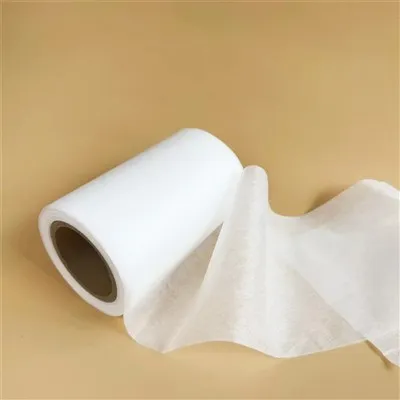
First, let’s get one thing straight: tea bags are not the low-quality, one-note product some people make them out to be. For a long time, the stigma around tea bags came from the thin, paper-like bags of generic black tea you’d grab at a gas station that infuse bitter, muddy flavor in two minutes. But modern tea bags—especially the ones we supply, which use food-grade filter paper, unbleached hemp mesh, and even fine nylon mesh for delicate herbal blends—are designed to hold leaves, oils, and botanicals while letting water circulate evenly. The difference between a good tea bag and a bad one for syrup comes down to two key factors: surface area and leaching control. Loose-leaf tea has a larger surface area, which makes it great for a fast, bright cup of hot tea, but when you’re making syrup, you want a consistent, balanced extraction that doesn’t over-brew and turn bitter. Tea bags solve that problem by limiting how much leaf hits the water at once—one standard 2-gram tea bag has exactly the right amount of leaf for a 1-cup batch of syrup, which means no guessing how many grams of loose leaf to measure out, no sifting to remove sediment, and no spilled leaves all over your stovetop.
Now, the science behind why this works is surprisingly straightforward, especially if you’ve ever steeped tea for iced tea or hot tea. Tea’s core flavor compounds fall into two categories: soluble solids (like caffeine, tannins, and essential oils) that dissolve in water, and insoluble bits (fiber, plant matter) that you don’t want in your finished syrup. When you steep a tea bag in hot water, those soluble compounds leach out at a predictable rate, and the filter material traps the insoluble bits so they don’t end up in your syrup. For syrup, we just adjust that steeping process to create a concentrated mix that pairs well with sugar—think of it as doubling down on the flavor that’s already in your cup of tea, minus the extra water that would water down a drink.
Let’s talk about what you need to make tea syrup from tea bags, because it’s way simpler than you think. You don’t need any special equipment, just a pot, a spoon, sugar, and obviously, tea bags. Most of our customers use our standard 2-gram black, green, herbal, or oolong blends, but we even have a line of specialty tea bags (earl grey lavender, mint honeybush, matcha green tea) that are specifically formulated for this. The ratio I recommend for a balanced syrup is 1 cup of water, 1 cup of granulated sugar, and 4 to 6 tea bags—depending on how strong you want it. If you love bold tea flavor, 6 bags work; if you want something subtle enough to use in lemonade or iced coffee, 4 is perfect. The step-by-step process is so easy even a teen who’s never made syrup before can nail it: first, bring the 1 cup of water to a simmer (not a rolling boil—boiling can break down some of the delicate oils in tea, leading to flat flavor), then turn off the heat, drop in your tea bags, and let them steep for 5 to 7 minutes. Don’t squeeze the bags! That’s a common mistake new makers make—squeezing releases bitter tannins and tiny bits of leaf that will cloud your syrup. Once steeped, remove the tea bags, add the sugar to the hot tea, and stir until all the sugar is fully dissolved. Let the syrup cool to room temperature, then store it in a sealed glass jar in the fridge for up to 4 weeks. That’s it. No extra steps, no fancy tools.
But let’s get real—this isn’t just a home cook trick. I’ve seen dozens of café owners use tea bag syrup as a core part of their menu, and the feedback is unanimous: it’s reliable and cost-effective. A friend who owns a small brunch spot in Portland told me he switched to using our black tea bags for his signature honey-black tea latte syrup six months ago, and his costs dropped by 30% because he was no longer wasting loose-leaf tea that would clump or go stale before he could use it. He also said the consistency is way better—before, he’d have a batch of loose-leaf syrup that tasted strong one week and weak the next, but with tea bags, every batch is identical because each bag is pre-measured and has the same amount of leaf. Another customer, a craft cocktail bar in Austin, uses our chamomile tea syrup for their summer spritz drinks, and they love that they can swap out the tea bags seasonally—during peach season, they add peach-flavored tea bags, and during holiday season, they use our cinnamon spice tea bags, no extra prep work required.
Now, let’s address the only downside some people mention: can tea bags really give you a smooth, non-bitter syrup? The short answer is yes, as long as you follow the steeping time and don’t boil your water. I’ve had customers try steeping for 10 minutes or longer, and that’s when they get that bitter, astringent flavor from over-extracted tannins. The 5 to 7 minute sweet spot is non-negotiable, because that’s how long it takes for most of the pleasant, bright flavors in tea to leach out, without pulling the bitter compounds. Also, not all tea bags are created equal—cheap tea bags that use fannings (tiny, broken tea dust) will leach flavor too fast, even with a short steep, and can leave sediment in your syrup. That’s why I always recommend using high-quality tea bags, the kind with whole or large-cut leaves, not dust. The tea bags we supply are made with whole leaf or large-cut herb blends, so you get consistent, smooth flavor every time.
Another common question: can I use flavored tea bags for syrup? Absolutely. Earl grey, mint, lavender, honeybush, matcha, even fruit-flavored black teas—all work great. We supply a line of fruit-infused tea bags that are perfect for syrup, like our raspberry hibiscus blend, and customers love that they don’t have to add extra fruit puree to get that bright berry flavor. The key here is to avoid tea bags with added artificial flavors, because those can taste chemical when concentrated in syrup. Stick to tea bags with natural flavorings, which is what all our blends use.
Let’s talk about some creative ways to use tea syrup, because that’s half the fun. Home bakers use it to glaze cakes, like a lemon tea loaf brushed with earl grey syrup right out of the oven. Cocktail makers use it to add tea flavor to gin or vodka drinks, way easier than steeping loose tea in a shaker. Coffee shops use it to sweeten and flavor lattes, iced coffees, and even cold brew. And even home cooks use it to sweeten iced tea, lemonade, and even homemade popsicles—just add a spoonful of tea syrup to fruit puree before freezing, and you have a popsicle with way more depth than regular sugar and fruit.
Now, I know some purists will argue that loose-leaf tea makes a better syrup, and I won’t argue that—for very high-end, specialty single-origin teas, loose leaf can give a more complex flavor. But for 90% of people, especially those who need consistent, reliable batches without a lot of prep work, tea bags are the way to go. Let’s do the math: a standard box of 50 tea bags costs about $8, and makes 50 cups of syrup, which is about 125 tablespoons of syrup. Compare that to loose-leaf tea, where a 4-ounce bag of single-origin black tea costs $12 and makes about 20 cups of syrup. Tea bags are cheaper, easier, and less wasteful. Also, if you’re a small business owner, tea bags are way easier to store—they don’t take up as much space as loose leaf, and they don’t go stale as fast once opened, because each box is sealed and you only use one at a time.
I’ve seen this trick work for every kind of tea, too. I once worked with a customer who wanted to make a syrup for kombucha, using green tea. She tried loose leaf first, and ended up with a syrup that had so much sediment she had to filter it three times, and it tasted weak. Switching to our organic green tea bags, she made a batch in 10 minutes, no filtering, and the syrup was bright, smooth, and perfect for adding to kombucha. Another customer tried using peppermint tea bags for a mint syrup, and said it tasted way fresher than the peppermint syrup she was buying from a specialty supplier.
Now, a few pro tips to make sure your tea syrup turns out perfect every time, because I’ve made every mistake in the book and don’t want you to: first, never squeeze the tea bags. Squeezing releases bitter tannins and leaf bits that will cloud your syrup and make it taste off. Second, don’t boil the water. Simmering is enough to open up the tea leaves and let the flavor leach out; boiling can burn the delicate oils in tea, leading to flat, stale flavor. Third, store your syrup in a sealed glass jar. Plastic can absorb flavors, so glass is the way to go, and keeping it in the fridge will make it last longer—up to 4 weeks, as I mentioned earlier. If you want it to last longer, you can add a teaspoon of citric acid, which helps preserve it, but most people don’t need that for home use. Fourth, adjust the strength for different uses. If you’re making syrup for coffee, use 4 tea bags, since coffee is strong enough to stand up to subtle tea flavor. If you’re making syrup for cocktails or baking, use 5 or 6 tea bags for more bold flavor.
At the end of the day, tea bags aren’t just for making a quick cup of tea before work. They’re a versatile, affordable tool for creating consistent, delicious tea syrup, whether you’re a home cook experimenting in your kitchen or a small business owner looking for a reliable ingredient for your menu. As a tea bag supplier, I’ve seen this trick transform everything from weekend brunch specials to craft cocktails, and it’s one of the most underrated uses for tea bags out there. If you’re a café owner, a cocktail maker, or a home cook looking to try this, I’m here to help—we offer bulk tea bags for businesses and sample packs for home users, so you can test different blends before you buy in bulk. Whether you’re looking for classic black tea, herbal blends, or specialty infused teas, we have options that work perfectly for syrup.

If you’re interested in testing our tea blends for your syrup needs, don’t hesitate to reach out to us to discuss your specific requirements, whether you need small sample sizes for home use or bulk orders for your business. We’re always happy to help you find the right tea bags to get the perfect syrup every time.
Coffee Bags References
- Food and Agriculture Organization of the United Nations. (2019). Tea Production and Processing: Quality Control for Soluble Extraction.
- Tea Association of the USA. (2022). Consumer Trends in Tea Infusion Methods for Homemade Food Products.
- Journal of Food Science and Technology. (2021). Compounds in Tea Infusions: Effects of Steeping Time and Temperature on Flavor and Aroma.
- Specialty Coffee Association. (2020). Alternative Flavor Ingredients for Café Syrups: Tea-Based Applications.
Hangzhou Wish Import & Export Trading Co., Ltd.
As one of the most professional tea bags manufacturers and suppliers in China, we also support customized service. Please feel free to buy cheap tea bags made in China here from our factory. For price consultation, contact us.
Address: Room 418, Yilong Business Building, Shangcheng District, Hangzhou City, Zhejiang Province
E-mail: chris@hzwishpack.com
WebSite: https://www.wish-ecopacky.com/
